Introduction
In the ever-evolving landscape of early youth education, one style has stayed steadfast: the relevance of play. Not just any play, but outdoor discovering and play As parents and educators, we usually consider just how to develop one of the most improving atmosphere for our youngsters. One area that requires our immediate attention is outdoor learning spaces. This article discovers the transformative impact of exterior playtime in pre-school classes and why every day care center must welcome it.
Why Every Pre-School Class Need To Accept Outdoor Discovering and Play
When discussing very early youth education and learning, one can not neglect the importance of outside understanding. Various studies have actually demonstrated how engaging with nature fosters creative thinking and cognitive advancement in young minds. Yet what exactly does embracing outside finding out look like within a pre-school class? Simply put, it has to do with developing a setting where kids can discover, uncover, and discover outdoors 4 walls.
The Advantages of Outdoor Learning for Youthful Minds
Outdoor environments use sensory-rich experiences that boost youngsters's imaginations. Kids discover finest through expedition; when they communicate with natural products-- lawn, dust, leaves-- they involve their senses. This immersion assists them create vital thinking abilities and improves their analytical abilities.
Physical Wellness Advantages of Outdoor Playtime
Being outdoors motivates exercise. Running, leaping, climbing up-- these actions promote cardio health and wellness, construct muscular tissue toughness, and improve coordination. Routine outdoor playtime lowers weight problems rates among youngsters and imparts lifelong healthy and balanced habits.
Emotional Advancement With Nature Interaction
Nature has a comforting impact on children. Being outdoors can minimize anxiousness and anxiety degrees while enhancing mood. It also instructs children about empathy as they observe wildlife and their habitats.
An All-natural Class: What It Looks Like
Imagine a classroom without walls-- a space filled with trees, blossoms, stones, and water features where kids can freely wander. This "class" permits educators to incorporate different topics right into their lessons seamlessly.
How to Develop an Outside Learning Environment
Creating an effective outside class entails greater than simply a patch of grass:
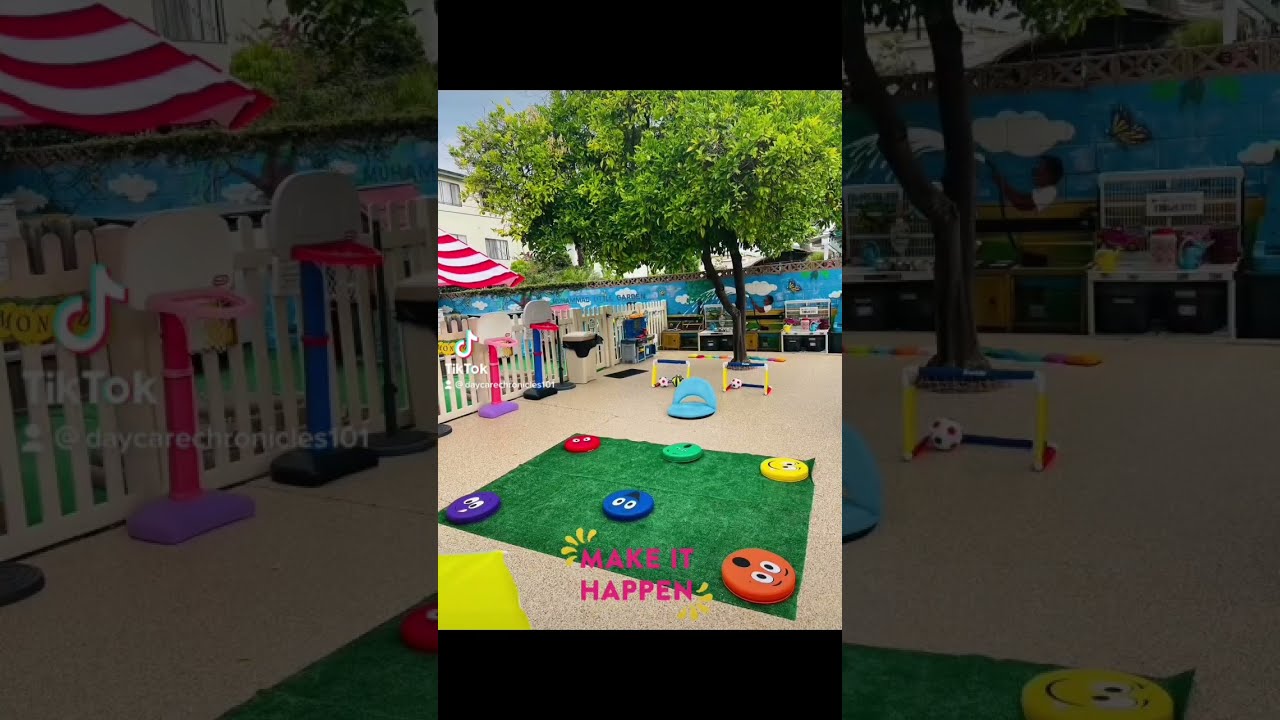
Natural Materials: Use logs for seating or rocks for building. Gardens: Include children in planting flowers or vegetables. Water Features: Incorporate water fountains or little fish ponds for sensory play. Shaded Areas: Guarantee there are places for rest away from straight sunlight.The Function of Educators in Outside Learning
Educators must be aggressive in assisting outside expeditions while permitting freedom for self-directed discovery. They should motivate concerns like "What do you think will occur if ...?" or "Just how does this really feel?" This kind of involvement encourages interest among children.
Incorporating Educational program right into Exterior Activities
Outdoor settings supply special possibilities to incorporate core subjects like mathematics or scientific research:
- Math: Counting actions from one tree to another. Science: Observing insect habits or recognizing plant species.
Challenges Encountered by Childcare Centers in Implementing Outdoor Learning
Despite its advantages, numerous daycare facilities encounter difficulties when integrating exterior play:
- Space Limitations: Urban settings may lack sufficient green areas. Safety Concerns: Guaranteeing child security outdoors can be challenging. Teacher Training: Educators may need added training on outdoor training methods.
Strategies for Overcoming Challenges in Exterior Learning
Overcoming these obstacles is important for cultivating an enriched understanding atmosphere:
Partnering with Neighborhood Parks: Collaborate with community parks to host academic activities. Safety Protocols: Establish clear guidelines for making certain kid safety and security throughout outside excursions. Continuous Professional Development: Offer workshops focused on outside mentor methodologies.
The Importance of Free Play in Nature
Free play is unstructured time that enables youngsters to participate in tasks https://www.google.com/maps/dir/?api=1&origin=Redwood+City+CA&destination=Talita%E2%80%99s+Daycare%2C+201+36th+Ave+%2329%2C+San+Mateo%2C+CA+94403&waypoints=Bay+Meadows+KinderCare%2C+1350+Wayne+Way%2C+San+Mateo%2C+CA+94403&travelmode=driving driven by their passions instead of pre-planned educational program goals. Study reveals that totally free play enhances creative thinking as children invent video games and stories using aspects found in nature.
Encouraging Creative Play Outdoors
Imagination flourishes in natural settings where children can claim they are explorers or inventors using sticks as tools or rocks as currency in their games.
Social Abilities Development With Group Activities
Outdoor discovering urges collaboration among peers as kids interact on jobs like constructing fts or accumulating things for a scavenger hunt.
Frequently Asked Questions (FAQs)
1. Why is exterior learning crucial for preschoolers?
Outdoor knowing offers sensory experiences essential for cognitive development while advertising physical wellness via active play.
2. Just how much time should preschoolers invest outdoors?
Experts suggest a minimum of two hours of disorganized outdoor play daily to promote ideal development throughout multiple developmental domains.
3. Can exterior knowing be included right into existing curriculums?
Absolutely! Educators can seamlessly incorporate topics like mathematics or science into outside activities through creative lesson plans that use the all-natural environment.
4. What safety measures need to be executed throughout outdoor play?
Ensure correct supervision ratios are preserved while developing clear limits around secure zones during getaways to stop accidents.
5. Exist particular resources offered for teachers interested in exterior teaching?
Yes! Countless companies provide curriculum overviews focused on nature-based education together with professional growth chances customized particularly for early childhood years educators.
6. Just how can moms and dads sustain exterior knowing at home?
Parents can promote nature explorations by organizing weekend hikes or motivating yard projects which advertise interest concerning the environment around them!
Conclusion
In verdict, embracing outside knowing and play within every pre-school course isn't just beneficial; it's necessary! From increasing physical health to enhancing psychological well-being, the benefits are also considerable to overlook. By transforming day care facilities into dynamic areas filled with opportunities for expedition, we prepare our children not only academically however holistically-- mindfully cultivating future generations who value nature's charm while being geared up with abilities required to flourish in an ever-changing world!
Together allowed's make this shift towards improving childhood experiences with embracing all that nature needs to provide! After all-- what far better class exists than the great outdoors?